
Vitamins for Diabetics: What to Take, What to Test, and What Clashes With Your Meds
Vitamins for diabetics, organized by the medicine you take. The ADA says supplements bring no benefit without a deficiency, yet metformin can lower vitamin B12, chromium can stack with insulin, and high-dose niacin can raise blood sugar. Here is what the drug labels and guidelines say, with USDA food numbers.
Up to 59% of people with diabetes in the US use supplements, by the American Diabetes Association’s estimate. Its 2026 Standards of Care say that without an underlying deficiency, there is no benefit from herbal, vitamin or mineral supplements for people with diabetes. So the useful question about vitamins for diabetics is narrower: which ones your medicines change, and which ones change your medicines.
I built Tavita to check my own long medication list. I’m a kidney patient on dialysis, and I don’t have diabetes. But diabetes is the leading cause of kidney disease, and about 1 in 3 adults with diabetes has kidney disease, according to the NIDDK. So the two lists overlap more than you might think.
This guide is organized by the medicine you take, because the answer to “what should I avoid?” is different on insulin than on metformin alone. Claims link to the drug label, guideline, study or government source they come from. None of it replaces your own care team, so check any change with them first.
Want a second check on your own list? Tavita flags chromium, berberine, cinnamon and other supplements that can lower blood sugar once you set your diabetes type, and if you add B12 alongside metformin, it notes that your doctor may want to check your B12 level. It’s free to start and you don’t need an account.
What vitamins should diabetics take?
For most people, the guidelines don’t name any. The ADA’s 2026 nutrition chapter says specific supplements are “generally not recommended outside the presence of deficiencies or overt malnutrition.” It makes exceptions for groups who may need a multivitamin:
- Pregnant or breastfeeding people
- Older adults
- Vegetarians and vegans
- People on very-low-calorie or low-carbohydrate diets
What care teams do check is a short list:
- Vitamin B12. Checked if you take metformin.
- Vitamin D. It comes up often, but the ADA says “universal vitamin D supplementation for people with type 1 or type 2 diabetes without deficiency is not recommended.”
- Magnesium. It comes up often too, but the ADA does not recommend magnesium or chromium for blood sugar.
A blood test is how you find out if you’re low.
Vitamins and supplements by diabetes medicine
What the labels and guidelines say, one medicine class at a time. It describes what care teams commonly check, not a plan for you. Timing is in its own table further down.
| Your medicine | Commonly checked | Ask your care team before adding |
|---|---|---|
| Metformin | Vitamin B12, periodically on long-term use; yearly after 4 years | Chromium, which may add to its effect; herbal glucose products such as cinnamon or berberine |
| Sulfonylureas (glipizide, glimepiride) | Blood sugar, especially when anything new is added | Chromium and herbal glucose products; high-dose niacin; alcohol |
| Insulin | Blood sugar | Chromium; high-dose niacin; alcohol, which can cause delayed lows |
| SGLT2 inhibitors (Jardiance and others) | Kidney function and fluid status | Very-low-carb eating plans; heavy drinking. No label or guideline we read names a vitamin loss |
| GLP-1 medicines | Protein and micronutrient intake during weight loss | See our GLP-1 nutrition gap post |
| ACE inhibitors and ARBs (lisinopril, losartan) | Potassium | Potassium supplements and potassium salt substitutes: avoid unless prescribed |
| Statins (atorvastatin, simvastatin, lovastatin) | Not part of this guide | High-dose vitamin D supplements |
From the current FDA labels on DailyMed (metformin, glipizide, glimepiride, Lantus, Jardiance, Zestril, Cozaar), the ADA Standards of Care in Diabetes 2026, and the NIH Office of Dietary Supplements fact sheets on chromium and vitamin D. Each row is explained below, with links.
Metformin and vitamin B12
This one has the strongest paper trail: a guideline recommendation, a label warning and a long trial. The metformin label reports that in 29-week trials, about 7% of people with normal B12 dropped to subnormal levels. A possible reason, per the label, is interference with B12 absorption from the B12-intrinsic factor complex in the gut.
How long does it take metformin to lower B12?
It can start within months, and the risk grows with years of use. In the label’s 29-week trials, about 7% of people with normal B12 dropped to low levels; in the longest study, the difference was clear at 5 years. The longest look comes from the Diabetes Prevention Program Outcomes Study. Adults with prediabetes took metformin 850 mg twice a day or a placebo for about 3 years; the metformin group could then keep taking it. B12 was measured at 5 and 13 years. Each year of metformin use was linked to about 13% higher odds of B12 deficiency.
View the data as a table
| Measure | Metformin | Placebo | Significance |
|---|---|---|---|
| Low, year 5 | 4.3% | 2.3% | P = .02 |
| Low, year 13 | 7.4% | 5.4% | P = .12, not significant |
| Low or borderline, year 5 | 19.1% | 9.5% | P < .01 |
| Low or borderline, year 13 | 20.3% | 15.6% | P = .02 |
Low means 203 pg/mL or less; borderline-low means up to 298 pg/mL. Each year of metformin use was linked to about 13% higher odds of B12 deficiency (odds ratio 1.13, 95% confidence interval 1.06 to 1.20).
Source: Aroda VR et al., J Clin Endocrinol Metab 2016;101(4):1754-61, the Diabetes Prevention Program Outcomes Study.
The ADA names who is most at risk:
- People on higher doses (1,500 mg a day or more)
- People on it for 4 to 5 years
- Anyone with anemia, nerve symptoms or chronic kidney disease
The ADA says people who have taken metformin for more than 4 years, or who have other risks such as a vegan diet or past stomach or bowel surgery, should be monitored for B12 deficiency every year. The label’s own interval is every 2 to 3 years. Ask which your doctor follows.
Why it matters: B12 and diabetic neuropathy look alike
Low B12 can cause numbness and tingling in the hands and feet, and the NIH Office of Dietary Supplements notes these symptoms can happen without anemia, so early diagnosis matters to avoid lasting damage. That overlaps with diabetic nerve damage. The ADA says metformin use is linked to worse neuropathy symptoms, which is one reason it suggests testing. The UK drug regulator, the MHRA, lists these among the symptoms:
- Extreme tiredness
- A sore and red tongue
- Pins and needles
- Pale or yellow skin
Should you take B12 with metformin?
The label says the drop “appears to be rapidly reversible” when metformin is stopped or B12 is supplemented. It does not give a dose, and neither does the ADA, which says to “monitor and replete as appropriate.” None of the labels or guidelines we read sets a gap between B12 and metformin either. The label describes a slow effect on absorption, not a clash at the moment you swallow them, and neither the label nor the ADA asks you to space them. Your doctor sets the form and amount if a test comes back low.
Supplements to avoid with diabetes, and why
On insulin or a sulfonylurea: supplements that stack
The glipizide label says low blood sugar is more likely “when more than one glucose-lowering drug is used.” That’s the reason to be careful with anything sold to lower glucose. For chromium, the Office of Dietary Supplements says taking it with insulin “could increase the risk of hypoglycemia,” and that it might add to metformin or other diabetes medicines too.
For herbs, the NCCIH says using cinnamon, St. John’s wort or aloe with diabetes drugs can cause unwanted side effects, and that berberine may interact with some medicines. None of the drug labels we read names berberine or cinnamon specifically. That gap is a reason to ask before starting one. Alcohol belongs here too: the ADA flags delayed lows after drinking, especially on insulin or a sulfonylurea.
What supplements can cause high A1C?
Niacin is the one on the drug labels. The glipizide, glimepiride and Lantus labels all list niacin, or nicotinic acid, among drugs that can raise blood sugar or blunt the medicine. The niacin fact sheet reports that in several trials of high-dose niacin, the kind used for cholesterol at gram-level doses, people taking it had a significantly higher risk of developing diabetes. The labels don’t give a dose at which this starts; see our niacin page for the basics.
On an SGLT2 inhibitor: the risk is the diet
None of the labels or guidelines we read names a vitamin that SGLT2 inhibitors use up. The warning is about eating patterns. The ADA says very-low-carbohydrate plans should be avoided on these drugs because of the risk of ketoacidosis, and that heavy drinking should be avoided and hydration kept up. One practical note from the Jardiance label: these drugs make urine glucose tests read positive, so a urine strip won’t tell you much.
On a GLP-1 medicine
Eating much less changes the math on protein and micronutrients. The ADAasks care teams to monitor people losing weight on purpose for protein and micronutrient shortfalls. We’ve covered this in the GLP-1 nutrition gap and in GLP-1 hair loss.
Supplements the ADA does not recommend
What the ADA says about these supplements:
- Beta-carotene. The ADA counsels against it, because it was linked to higher lung cancer and cardiovascular death risk.
- Vitamin E and C. It says routine supplements are not recommended, given a lack of evidence and long-term safety concerns.
- Fish oil. On fish oil capsules, the same chapter says the evidence does not conclusively support them for preventing or treating heart events in people with diabetes.
“Glucose support” products can hide real drugs
In 2023 the FDA found that Dr. Ergin’s SugarMD Advanced Glucose Support contained glyburide and metformin, two prescription diabetes drugs. The FDA warned that glyburide can cause unsafe drops in blood sugar. In 2021 the FDA and FTC sent warning letters to 10 companies selling supplements claiming to treat or prevent diabetes, calling the products unapproved new drugs. The NCCIH puts it plainly: products claiming to be a “natural diabetes cure” are marketed illegally.
What is the best supplement for lowering blood sugar?
None has earned that title. Here is where the usual candidates stand, according to the NCCIH:
- Chromium. Some studies suggest it might help, but they are small and too different from each other to reach clear conclusions.
- Cinnamon. The same mixed evidence. And cassia, the most common cinnamon sold in the US, contains coumarin, which might cause or worsen liver disease.
- Berberine. The same mixed evidence. The berberine studies the NCCIH cites were mostly of Chinese patients, and some were of poor quality.
- Alpha-lipoic acid. It did no better than placebo for blood sugar in a review of 10 studies.
Vitamin D has been tested in a large trial. In D2d, 2,423 adults with prediabetes took 4,000 IU a day or a placebo. After a median 2.5 years, the vitamin D group did not have a significantly lower risk of diabetes. The vitamin D page covers food sources and limits.
Pairs that compete, and one that doesn’t
Each of these is a question for your pharmacist, not a rule to apply yourself.
- Chromium with insulin, metformin or other diabetes medicines, covered above.
- Potassium supplements or potassium salt substitutes with an ACE inhibitor or ARB. The lisinopril label names diabetes as a risk factor for high potassium, and the losartan label advises against using them without consulting a healthcare provider.
- High vitamin D intakes, especially from supplements, might reduce the potency of atorvastatin, lovastatin and simvastatin, according to the ODS vitamin D sheet, because they compete for the same enzyme.
- Glimepiride and colesevelam: the glimepiride label says to take glimepiride at least 4 hours before it.
The pair that doesn’t compete in time is metformin and B12. The label describes a slow effect on absorption, so testing matters more than timing.
Timing: with food or without?
Most diabetes pills have a set relationship to meals. Here is what each label says.
| Medicine | What the label says |
|---|---|
| Metformin, immediate release | With meals. Food also reduces stomach side effects, per the ADA |
| Metformin, extended release | Once daily with the evening meal; never crush, cut or chew |
| Glipizide | About 30 minutes before a meal |
| Glimepiride | With breakfast or the first main meal of the day |
| Jardiance (empagliflozin) | Once daily in the morning, with or without food |
From the metformin, glipizide, glimepiride and Jardiance labels on DailyMed, and ADA Table 9.2. Starting doses on the labels are for prescribers; your dose is the one on your prescription.
Food sources of B12 and magnesium
Magnesium is the clearest case for food over pills. The ODS magnesium sheet explains that high blood sugar raises urine output, so diabetes increases magnesium loss in the urine. People with higher magnesium intakes tend to have a lower risk of type 2 diabetes, but the few small trials of magnesium supplements for type 2 diabetes reported conflicting results. If you do take one, the NCCIH notes the adult upper limit for magnesium from supplements and medicines is 350 mg a day. That limit is for healthy adults; the ODS says the risk of too much magnesium rises when the kidneys don’t work well, so check with your care team first if you have kidney disease. More on our magnesium page.
View the data as a table, with potassium and phosphorus
| Food and serving | Magnesium | Potassium | Phosphorus | FDC ID |
|---|---|---|---|---|
| Pumpkin seeds, 1 oz, roasted | 156 mg | 223 mg | 332 mg | 170557 |
| Chia seeds, 1 oz | 95 mg | 115 mg | 244 mg | 170554 |
| Spinach, 1/2 cup, boiled | 78 mg | 419 mg | 50 mg | 168463 |
| Almonds, 1 oz, about 23 | 77 mg | 208 mg | 136 mg | 170567 |
| Black beans, 1/2 cup, boiled | 60 mg | 305 mg | 120 mg | 173735 |
| Oats, 1/2 cup, dry | 56 mg | 147 mg | 166 mg | 173904 |
| Lentils, 1/2 cup, boiled | 36 mg | 365 mg | 178 mg | 172421 |
| Sockeye salmon, 3 oz, cooked | 31 mg | 371 mg | 259 mg | 173692 |
| Milk, 2%, 1 cup | 27 mg | 342 mg | 225 mg | 171267 |
Source: USDA FoodData Central, SR Legacy, searched by the FDC IDs in the table. Per-serving values are the per-100 g figures times the stated portion weight, rounded.
Vitamin B12 is a different story. Per the ODS, the Daily Value is 2.4 mcg. Here is how some foods compare, with the values from the ODS and USDA data:
- Clams. 3 ounces of cooked clams have about 17 mcg.
- Sockeye salmon. Three ounces have about 3.8 mcg.
- Milk. A cup of 2% milk has about 1.3 mcg.
- Egg. A hard-boiled egg has about 0.6 mcg.
The plant foods in the magnesium chart have no B12 in USDA data. The ADA names a vegan diet as one more reason to test B12 every year on metformin. See the B12 page for more.
Fiber is the other food lever. The ADA asks for at least 14 g of fiber per 1,000 calories from minimally processed carbohydrate foods. Half a cup of boiled lentils has about 7.8 g, and half a cup of black beans about 7.5 g, per FoodData Central. Our fiber page has the rest.
Rich but risky: juice and dried fruit
Whole fruit has a place. The ADA calls whole fruit, fresh, frozen or canned without added sugar, acceptable, and asks people with diabetes to replace sugar-sweetened drinks, including juices, with water or low- or no-calorie drinks. The numbers show why the form matters.
View the data as a table
| Food and serving | Total sugars | Fiber | FDC ID |
|---|---|---|---|
| Orange, 1 fruit, 2 5/8 in | 12.2 g | 3.1 g | 169097 |
| Orange juice, 1 cup | 20.8 g | 0.5 g | 169098 |
| Apple, 1 medium, 3 in, skin on | 18.9 g | 4.4 g | 171688 |
| Apple juice, 1 cup, unsweetened | 23.9 g | 0.5 g | 173933 |
| Grapes, 1 cup | 23.4 g | 1.4 g | 174683 |
| Raisins, 1 oz, about 60 | 18.5 g | 1.3 g | 168165 |
Source: USDA FoodData Central, SR Legacy, searched by the FDC IDs in the table. Per-serving values are the per-100 g figures times the stated portion weight, rounded.
Your kidneys, and other organs to watch
The kidneys come first. The NCCIH notes that kidney disease has been linked to some dietary supplements, which is a particular concern with diabetes, and that anyone with or at risk for kidney disease should have a provider closely monitor their supplements. Metformin is not used when eGFR, the main kidney function number, falls below 30, per the label and the ADA.
Kidney disease also changes the food advice. Look again at the table under the magnesium chart: half a cup of boiled spinach carries about 419 mg of potassium, and an ounce of pumpkin seeds about 330 mg of phosphorus. Juice is similar: a cup of orange juice has about 496 mg of potassium, per USDA data. Once kidney disease is diagnosed, your care team may change how much of these foods makes sense. It even affects testing: the ODS notes that MMA, a sensitive blood marker of B12 status, also rises when the kidneys don’t work well, which can make results harder to read. Our vitamins for kidney disease guide covers that side.
For the liver, two items from above apply: coumarin in cassia cinnamon, and high-dose niacin, where cholesterol guidelines cited by the ODS call for liver enzyme and blood sugar tests before starting. Our vitamins for liver disease guide covers the liver side. For the heart, see the fish oil note above and our vitamins for heart failure guide.
Where Tavita fits
Tavita checks your medicines and supplements against each other. In your profile you can set diabetes to none, prediabetes, type 1 or type 2. With that set, the app:
- cautions when you add chromium, berberine, cinnamon, alpha-lipoic acid, gymnema, bitter melon or fenugreek, with stronger low-sugar wording for type 1 or if insulin or a sulfonylurea is in your list
- cautions on niacin at 500 mg a day or more, because it can raise blood sugar and A1C
- flags chromium with metformin, glipizide, glyburide, glimepiride or insulin
- if you add a B12 supplement alongside metformin, notes that your doctor may want to check your B12 level, and deliberately doesn’t space the two, because timing can’t fix it
- treats a potassium supplement or potassium salt substitute alongside an ACE inhibitor or ARB as a hard stop
The safety check runs the moment you add a supplement, on your phone, free. Prescribed medicines are cautioned, never blocked.
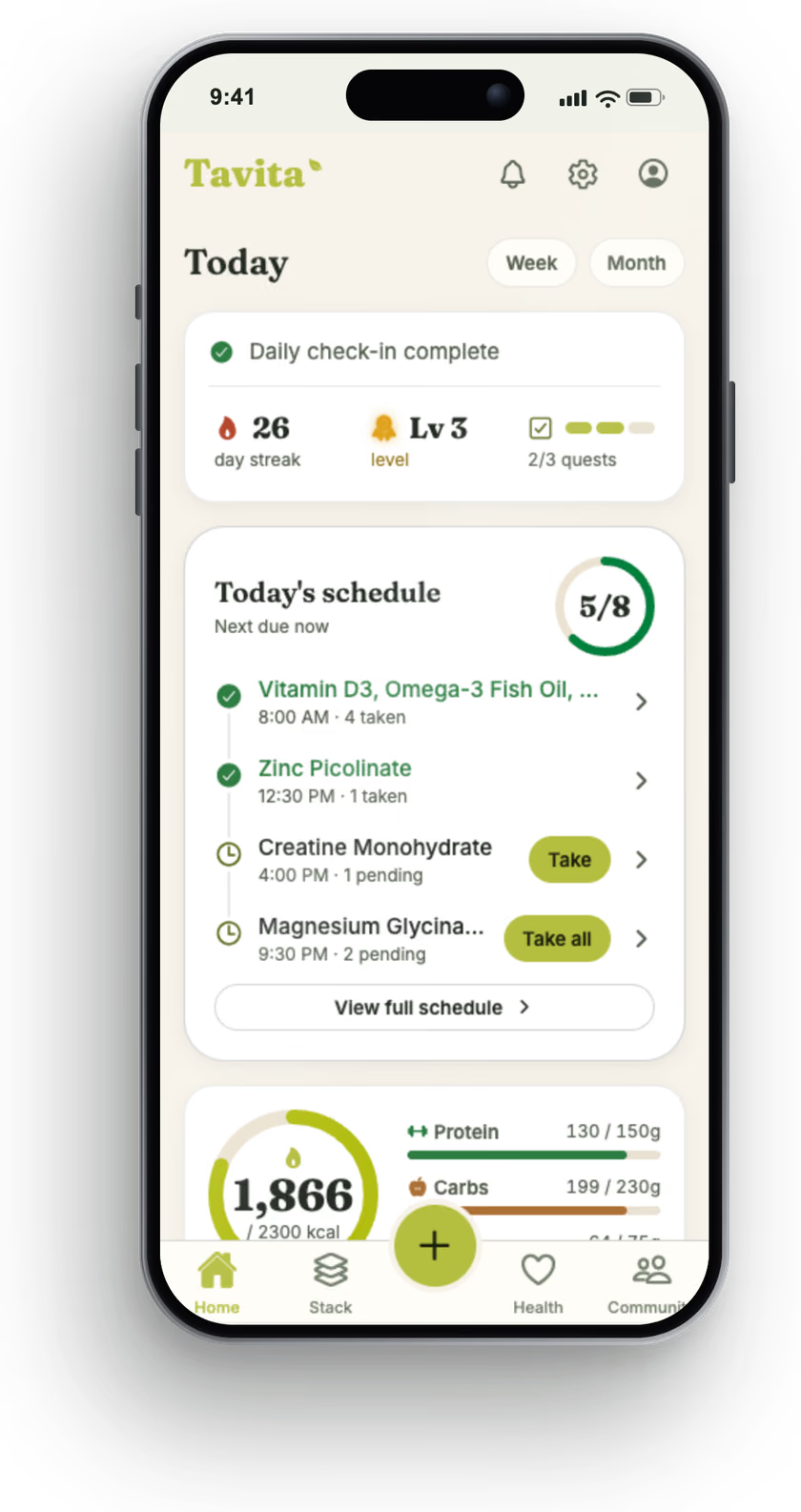
What it isn’t: a glucose tracker or a medical device. It doesn’t log blood sugar or A1C, and it doesn’t set doses. If your care team says something different from the app, follow your care team.
It’s free to start and you don’t need an account. The free plan includes one schedule build a month. Pro rebuilds anytime and costs $12.99 a month or $59.99 a year. Our pill reminder then tells you when each dose is due.
Common questions
Should you take vitamin B12 if you take metformin?
Testing comes first. The American Diabetes Association's 2026 Standards of Care recommend considering periodic B12 checks for people on long-term metformin, especially with anemia or nerve symptoms, and yearly checks after more than 4 years of use. The metformin label says low B12 appears to reverse quickly when metformin is stopped or B12 is supplemented, but neither the ADA nor the metformin label sets a B12 dose for metformin users. If your level is low, your doctor decides how to replace it.
What vitamin should a diabetic not take?
The ADA counsels against beta-carotene supplements, because it was linked to more lung cancer and cardiovascular deaths in some people. It also says routine vitamin E and C supplements are not recommended. High-dose niacin, the kind used for cholesterol, is named on the glipizide, glimepiride and Lantus labels as a drug that can raise blood sugar. And any product sold as a natural diabetes cure is marketed illegally, according to the FDA.
What is the best supplement for lowering blood sugar?
None is recommended for that job. The ADA says supplementing vitamins, minerals such as magnesium or chromium, or herbs such as cinnamon is not recommended for glycemic benefit. The NCCIH calls the evidence for chromium, cinnamon and berberine weak. Your diabetes medicines are the proven tools.
What supplements can cause high A1C?
Niacin is the clearest one. The labels for glipizide, glimepiride and Lantus all list niacin (nicotinic acid) among drugs that can raise blood sugar or weaken the medicine's effect. In several high-dose niacin trials, people taking it had a significantly higher risk of developing diabetes, per the NIH Office of Dietary Supplements.
What are the top 3 vitamins for people with diabetes?
The three that come up most are vitamin B12, vitamin D and magnesium, but as things to check rather than things everyone should take. B12 matters if you are on metformin. Vitamin D supplements are not recommended for everyone with diabetes, only for people with a deficiency. Diabetes increases magnesium loss in the urine, and the evidence for magnesium comes mostly from food intake rather than supplement trials. A blood test is how you find out whether any of them is low.
Know what your supplements do to your diabetes medicines
Add your medicines and supplements once. Tavita flags the ones that stack with your glucose-lowering drugs, and if you take B12 with metformin it notes that a B12 check may be worth asking about, so you have a clear list to take to your doctor or pharmacist before you change anything.
Get TavitaFree to start, no account needed. A second check, not medical advice.
Sources and corrections
Drug facts come from each product’s FDA label on DailyMed and guideline facts from the ADA Standards of Care in Diabetes 2026, all read on 4 October 2026. Labels and guidelines are revised, so check the current version or ask your pharmacist. Food values are from USDA FoodData Central. If you spot an error, email support@tavita.app and we’ll correct it promptly. This article is general information, not medical advice. Don’t start, stop or change a supplement or medicine without talking to your care team.
- American Diabetes Association Professional Practice Committee. Facilitating Positive Health Behaviors and Well-being to Improve Health Outcomes. Standards of Care in Diabetes-2026. Diabetes Care 2026;49(Suppl 1):S89-S131.
- American Diabetes Association Professional Practice Committee. Prevention or Delay of Diabetes and Associated Comorbidities. Standards of Care in Diabetes-2026. Diabetes Care 2026;49(Suppl 1):S50-S60.
- American Diabetes Association Professional Practice Committee. Pharmacologic Approaches to Glycemic Treatment. Standards of Care in Diabetes-2026. Diabetes Care 2026;49(Suppl 1):S183-S215.
- Aroda VR, et al. Long-term metformin use and vitamin B12 deficiency in the Diabetes Prevention Program Outcomes Study. J Clin Endocrinol Metab 2016;101(4):1754-61.
- Pittas AG, et al. Vitamin D supplementation and prevention of type 2 diabetes. N Engl J Med 2019;381(6):520-530. Funded by the National Institute of Diabetes and Digestive and Kidney Diseases and others.
- Metformin hydrochloride tablets and extended-release tablets. Prescribing information, DailyMed.
- Glipizide tablets. Prescribing information, DailyMed.
- Glimepiride tablets. Prescribing information, DailyMed.
- Lantus (insulin glargine). Prescribing information, DailyMed.
- Jardiance (empagliflozin). Prescribing information, DailyMed.
- Zestril (lisinopril). Prescribing information, DailyMed.
- Cozaar (losartan potassium). Prescribing information, DailyMed.
- National Center for Complementary and Integrative Health. Diabetes and Dietary Supplements: What You Need To Know. Last updated November 2023.
- NIH Office of Dietary Supplements, health professional fact sheets: Vitamin B12, Magnesium, Chromium, Vitamin D and Niacin.
- National Institute of Diabetes and Digestive and Kidney Diseases. Diabetic Kidney Disease.
- Medicines and Healthcare products Regulatory Agency (UK). Metformin and reduced vitamin B12 levels: new advice for monitoring patients at risk. Drug Safety Update, June 2022.
- US Food and Drug Administration. FDA warns consumers of hidden drug ingredients in Dr. Ergin’s SugarMD Advanced Glucose Support (2023) and FDA and FTC send warning letters to 10 companies illegally selling dietary supplements claiming to treat diabetes (2021).
- US Department of Agriculture. FoodData Central, SR Legacy. Per-serving values computed from per-100 g data and standard portion weights.
- Tavita’s diabetes setting, cautions and interaction flags are described from the app’s shipping code. Pricing and the free plan are as of October 2026.